Mortgages & More

Bringing Dreams to Reality

  • Home
  • About
  • Resources
    • First Time Buyer Tips
    • First Time Seller Tips
    • Home Appraisal
    • Home Inspection
    • Loan Programs
    • Loan Process
    • Loan Checklist
    • Mortgage FAQ
    • Mortgage Glossary
    • What to Expect at a Loan Closing: A Step-by-Step Guide
  • Calculator
  • Apply
  • Blog
  • Contact Us

The Role of A Down Payment: How Much Should I Save?

January 16, 2026 by Katrina Moyer

Buying a home, a car, or any significant investment often involves making a down payment. The down payment is a crucial part of the purchasing process, as it can impact your loan terms, interest rates, and monthly payments. But how much should you save for a down payment, and why is it so important?

Understanding Down Payments

A down payment is a portion of the purchase price that you pay upfront when buying a house, a car, or making a large investment. It’s a way to demonstrate your commitment to the purchase and reduce the risk for the lender or seller. Down payments are commonly associated with:

Homebuying: When purchasing a home, a down payment is typically required by mortgage lenders. The amount can vary but is often around 20% of the home’s purchase price.

Car purchases: Down payments for cars can also range, but they often hover around 10-20% of the vehicle’s price.

Large investments: In other scenarios, such as starting a business or investing in a big-ticket item, a down payment may be necessary to secure financing.

Importance of Down Payments

Lowering Monthly Payments: A larger down payment reduces the amount you need to finance, resulting in lower monthly payments. This can make your financial burden more manageable in the long run.

Qualifying for Loans: A substantial down payment can help you qualify for loans with more favorable terms and lower interest rates. Lenders often see a larger down payment as a sign of financial stability.

Building Equity: With a significant down payment, you’ll start building equity in your asset from day one. Equity is the portion of the property or asset you own, and it can grow over time, giving you more financial security.

How Much Should You Save for a Down Payment?

The ideal down payment amount can vary based on what you’re buying and your financial situation. Here are some general guidelines:

Homes: As mentioned earlier, a down payment of 20% is often recommended for purchasing a home. However, there are mortgage options that allow for lower down payments, such as FHA loans, which require as little as 3.5% down. The key is to balance a lower down payment with the added cost of private mortgage insurance (PMI) and potentially higher interest rates.

Cars: For buying a car, a down payment of 10-20% is a good range to aim for. This will help reduce the overall cost of the car loan and lower your monthly payments.

Large Investments: The down payment for investments can vary widely, so it’s essential to assess your specific financial goals and risks. In this case, consult with a financial advisor to determine the right amount.

How to Save for a Down Payment

Saving for a down payment may seem daunting, but with a clear plan, it’s achievable. Here are some steps to help you get started:

Create a Budget: Review your finances, set a budget, and identify areas where you can cut back on spending to save more.

Open a Dedicated Savings Account: Consider opening a separate savings account exclusively for your down payment fund. This will help you track your progress and keep the money out of sight and out of mind.

Automate Savings: Set up automatic transfers from your checking account to your down payment savings account. This ensures that you save consistently.

Increase Income: Explore opportunities to increase your income, such as taking on a part-time job or freelancing, to boost your savings rate.

Reduce Debt: Pay down high-interest debts like credit cards to free up more money for saving.

The role of down payments in major purchases cannot be overstated. They play a vital role in reducing the financial burden of loans, helping you secure better loan terms, and building equity in your assets. While the ideal down payment amount can vary, it’s essential to set a clear savings goal and follow a strategic plan to achieve it. With discipline and patience, you can save for a down payment and take a significant step toward achieving your financial goals.

Filed Under: Home Buyer Tips Tagged With: Down Payment, New Home, Savings

Understanding the Jumbo Mortgage and Why Refinancing is Different

January 15, 2026 by Katrina Moyer

The contemporary trend towards expansive dimensions is palpable in various aspects of modern life. Oversized soft drinks, large fast-food meals, and expansive smartphones have become ubiquitous. However, one unlikely sector experiencing a similar trend is the realm of mortgages.

Delving into the specifics, what exactly constitutes a jumbo mortgage? How does it differ from its conventional counterpart, and what implications does it hold for potential refinancing? Here’s a comprehensive overview.

Jumbo Mortgages

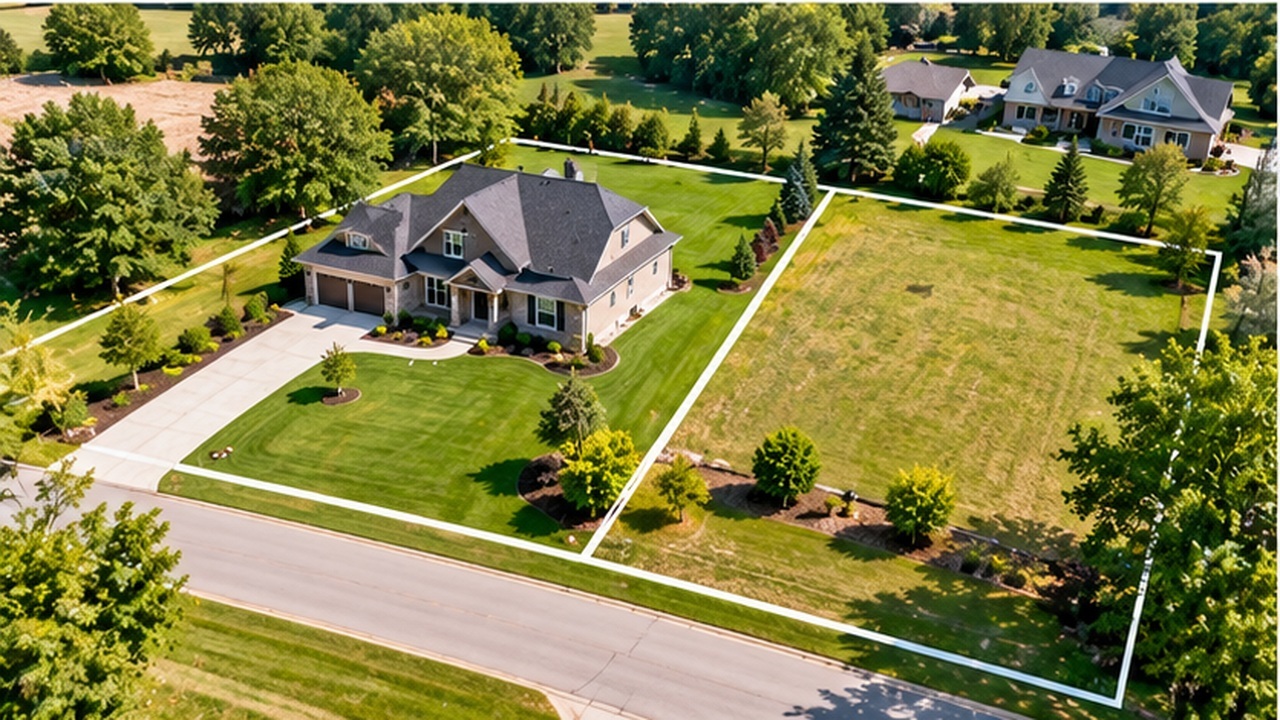
As the name suggests, the primary distinguishing factor of jumbo mortgages lies in the loan limit. Fannie Mae and Freddie Mac administer mortgage limits nationwide, contingent upon the cost of living in individual states. In scenarios involving high-value real estate, such as luxury properties and commercial holdings, standard mortgages may prove insufficient, thus necessitating the flexibility afforded by jumbo mortgages.

Jumbo mortgages are particularly prevalent in regions characterized by elevated living costs, where real estate values routinely exceed the standard loan limits applicable to high-cost areas.

Qualifying for a Jumbo Mortgage 

Given the higher financial stakes, eligibility requirements for jumbo mortgages are markedly more stringent than those for traditional mortgages. Notably, jumbo mortgages do not fall under private insurance coverage, resulting in a substantially larger down payment compared to standard mortgages. Prospective applicants must convincingly demonstrate to lenders their financial capacity to meet the obligations associated with a jumbo mortgage.

Additionally, a higher credit score is imperative for those seeking a jumbo mortgage. While a credit score of 660 or higher suffices for conventional mortgages, a minimum score of 700 is typically required for consideration by most lenders when applying for a jumbo mortgage.

Jumbo mortgage lenders may mandate that borrowers set aside a minimum of six months’ worth of payments in a dedicated bank account at the time of closing, a requirement that typically stands at two months for standard mortgages. Applicants must also prove to their lenders that their debt-to-income ratio is below 45 percent to qualify for a jumbo mortgage.

Refinancing Complexities

Refinancing a jumbo mortgage introduces heightened complexities compared to standard mortgages. Considerable home equity is a prerequisite for refinancing, and individuals looking to include Home Equity Line of Credit (HELOC) debt in the refinancing plan must adhere to stringent conditions, including the absence of any deductions against home equity in the preceding 12 months.

Specific lenders may impose additional requisites for refinancing jumbo mortgages. For example, homeowners with less than a year of ownership may be directed toward a Freddie Mac or Fannie Mae loan. Regardless of the fair market value at the time of mortgage filing, properties owned for less than a year are typically assessed at their original purchase price.

While jumbo mortgages provide an avenue for acquiring luxury residences or commercial properties, securing one demands meticulous adherence to a stringent set of prerequisites. Prospective applicants are advised to seek guidance from professional advisors to navigate the intricate qualification process successfully.

For those contemplating a jumbo mortgage, engaging with a seasoned mortgage professional is crucial to gaining insights into refinancing alternatives and understanding the qualification criteria. Reach out to your trusted mortgage professional to explore refinancing options and ascertain your eligibility for a jumbo mortgage.

Filed Under: Home Buying Tips Tagged With: Home Mortgage Tips, Mortgage Refinancing, Real Estate

Home Security Systems for a Safe Haven

January 14, 2026 by Katrina Moyer

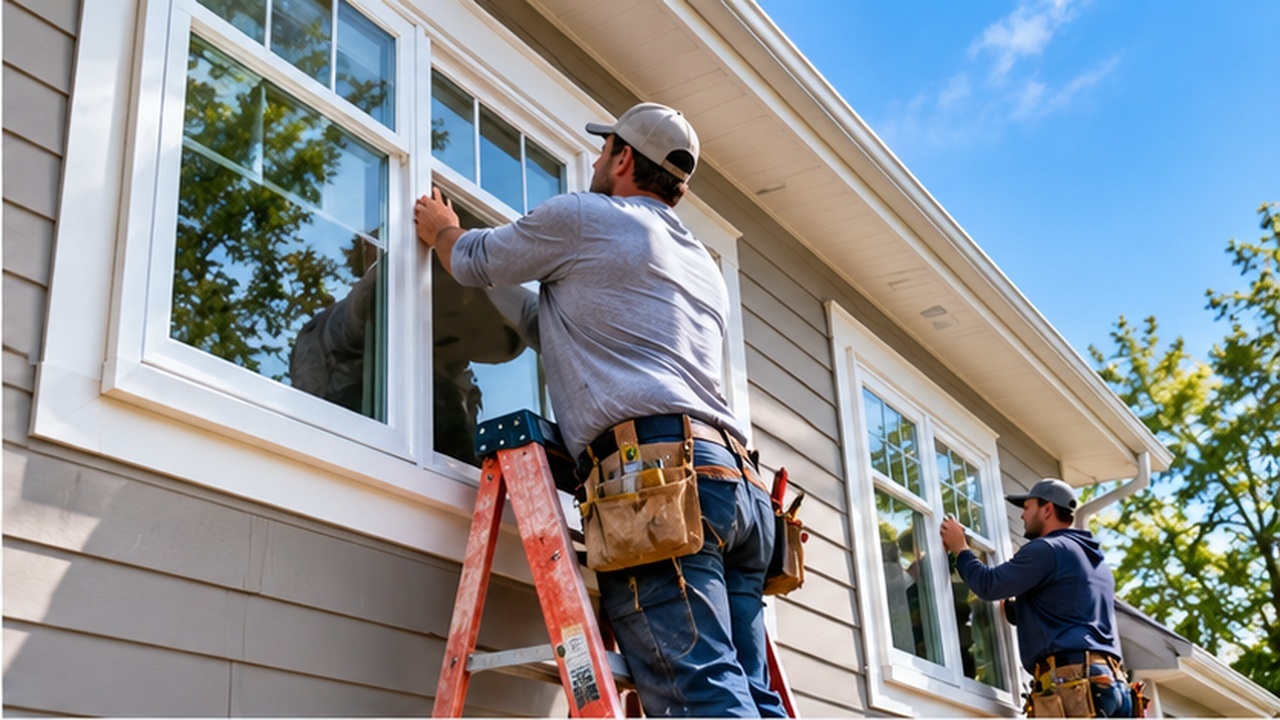
Home is where the heart is, and it’s also where you should feel the safest. Ensuring the security of your home has never been more attainable. Home security systems have evolved from simple locks and alarms to sophisticated, interconnected networks that provide round-the-clock protection. We will explore the latest innovations and timeless strategies to keep your home safe and secure.

Strong Locks and Doors

Your home’s first line of defense is its entry points. Invest in high-quality, durable locks and reinforce doors with solid cores. Consider upgrading to smart locks that allow you to control access remotely, providing an extra layer of security.

Outdoor Lighting

Burglars often rely on the cover of darkness. Illuminate your home’s exterior with strategically placed outdoor lights. Motion-activated lights are not only energy-efficient but also serve as a deterrent, surprising and discouraging potential intruders.

Security Cameras

Modern security cameras offer more than just a watchful eye. With features like motion detection, night vision, and remote access, you can keep tabs on your property from anywhere. Install visible cameras to deter criminals, and discreet ones for added surveillance.

Smart Security Systems

Consider investing in a comprehensive smart security system that integrates various components like door/window sensors, motion detectors, and security cameras. These systems often allow remote monitoring and can be customized to fit your specific needs.

Connected Alarms

Connect your security system to a monitoring service or your smartphone. Instant notifications ensure that you’re aware of any suspicious activity in real time. Many systems also allow for remote arming and disarming, giving you control at your fingertips.

Secure Your Wi-Fi Network

In the age of smart homes, it’s crucial to secure your Wi-Fi network. Password protect your router, enable network encryption, and change default login credentials. This prevents unauthorized access to your smart devices, including security cameras and alarms.

Neighborhood Watch

Extend your security beyond your property lines by engaging with your neighbors. Join or establish a neighborhood watch program to foster a sense of community vigilance. Sharing information about suspicious activities can help create a safer environment for everyone.

Beyond Burglaries

Home security is not just about preventing break-ins. Integrated systems can include fire alarms, carbon monoxide detectors, and environmental sensors to alert you to potential hazards.

Combine traditional methods with cutting-edge technology to create a fortress that not only protects your property but also provides peace of mind. Remember, a secure home is a happy home.

Filed Under: Homeowner Tips Tagged With: Home Safety, Real Estate, Security

  • 1
  • 2
  • 3
  • …
  • 406
  • Next Page »

Kay Monigold

Katrina Moyer
Call (863) 296-7181
katrina@mortgagesandmore.me


Connect With Me

How may I help?

Browse articles by category

Quick Links

  • Accessibility Statement
  • Privacy Policy
  • Blog
  • Contact Us
  • Apply Now

Mortgages & More, LLC
NMLS #2323345

Please feel free to contact me at katrina@mortgagesandmore.me with any thoughts, comments, or questions about my work—I’m always interested in making new professional acquaintances.

Equal Housing Lender Logo

Our Location

810 1st St S
Winter Haven, FL 33880

Copyright © 2026 · Powered by MySMARTblog

Copyright © 2026 · Genesis Sample Theme on Genesis Framework · WordPress · Log in